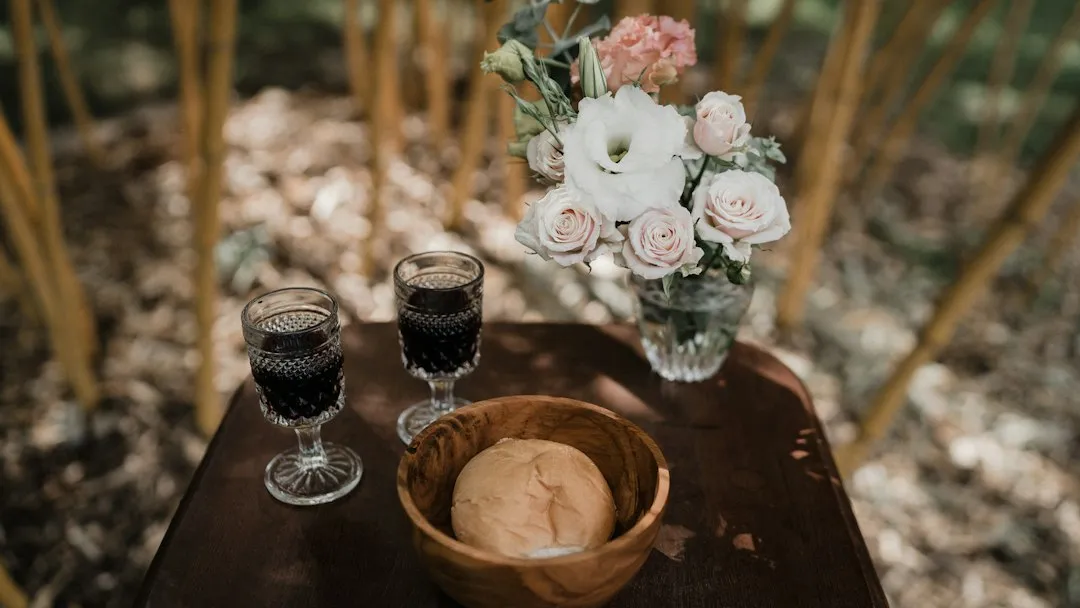
Photo by David Goldman on Unsplash
Guachinches in Tenerife: How the North's Home Restaurants Work
What a guachinche is
A guachinche is a seasonal eating place run by a wine-growing family in the north of Tenerife, usually in a garage, a courtyard or a room beside the family cellar. The idea predates tourism by generations: growers opened their doors for a few months after the harvest to sell the new wine, and served a plate of simple food to go with it. The food was always secondary to the wine, and in a genuine guachinche it still is.
Since 2013 the Canary Islands government has regulated the activity (Decree 83/2013). A registered guachinche may open for at most four months a year and must close as soon as its own wine runs out; the wine must come from vineyards owned or worked by the family; drinks are limited to that wine and water; and the kitchen may offer no more than three cooked dishes, plus pickles, nuts and fruit grown locally. Licensed establishments are registered with the Cabildo de Tenerife.
Where they are
Guachinches belong to the wine villages of the north: the Tacoronte-Acentejo appellation (Tacoronte, El Sauzal, Tegueste, La Matanza, La Victoria and Santa Úrsula) and the Valle de La Orotava appellation (La Orotava and Los Realejos). A few exist in Icod de los Vinos and the Güímar valley. They sit on back roads between vineyards rather than in town centres, and are signposted, if at all, with a hand-painted board, a cardboard sign or a bunch of branches at the gate.
What to eat
The menu is written on a board and changes with what the family has cooked. The classics:
- Carne fiesta: cubes of pork marinated in garlic, paprika and wine, then fried.
- Costillas con papas y piña de millo: pork ribs boiled with potatoes and corn on the cob.
- Garbanzas: stewed chickpeas, often with chorizo or pork.
- Queso asado con mojo: grilled local cheese with red or green mojo sauce.
- Papas arrugadas con mojo: small wrinkled potatoes cooked in heavily salted water.
- Escaldón de gofio: toasted grain flour worked with hot stock into a thick paste.
- Huevos con chorizo, conejo en salmorejo (rabbit in a garlic and paprika marinade) and, for dessert, quesillo or frangollo.
The wine is vino del país: young, usually red or rosé, mostly from the Listán Negro grape, served by the jug or the bottle at a price that reflects the fact that you are drinking at the source.
How it works
- Hours: lunch is the main service; many open from around midday into the afternoon, and some also in the evening. Opening days vary, and the whole place closes when the wine is sold out.
- Reservations: usually none. You arrive, wait if the long tables are full, and sit where there is space, often sharing.
- Payment: card machines are becoming more common, but many still take cash only. Bring enough notes.
- Price: as a rough order of magnitude, expect somewhere around 10 to 20 euros per person with wine in a traditional guachinche. This is approximate and varies with the place and your appetite.
- Season: traditionally from the end of the harvest in autumn through winter and spring, but each family picks its own months.
How to find one
There is no official app in 2026. Guachapp, the popular locator app of the 2010s, no longer exists, and the official register is an administrative list rather than a visitor guide. The reliable methods are the old ones: drive the back roads of La Matanza, La Victoria, Santa Úrsula or La Orotava looking for signs, ask in a bar or a shop, or follow a local's recommendation. Several private directories and social media groups list guachinches and their opening dates with mixed accuracy; a phone call before driving up is worth making.
Guachinche, bodegón or restaurant?
The word sells, so many places use it without meeting the definition. A bodegón or "guachinche moderno" is a licensed restaurant in rustic dress: open all year, a printed menu of twenty dishes, beer and bottled wines from elsewhere, card payments and evening service. The signs of a genuine guachinche are a short chalkboard menu, wine in a jug with no label, a seasonal closing date and the family doing the serving. In September 2026 local wine producers publicly complained about establishments selling mainland wine under the guachinche name, so the distinction is a live issue on the island.
Etiquette
Dress is casual and children are welcome. Order a jug of wine first, share dishes and do not expect fast service or a long wine conversation; the family is cooking and pouring at the same time.
Getting there and back
Guachinches are in the hills, reached by narrow roads, and their reason for existing is wine. Spain's drink-driving limit is low (0.5 g/l in blood, or 0.25 mg/l in breath, for most drivers, and lower for new drivers), and rural roads are patrolled. Name a designated driver, take a taxi from Puerto de la Cruz or La Orotava, or use TITSA buses along the TF-5 corridor and walk the last stretch.